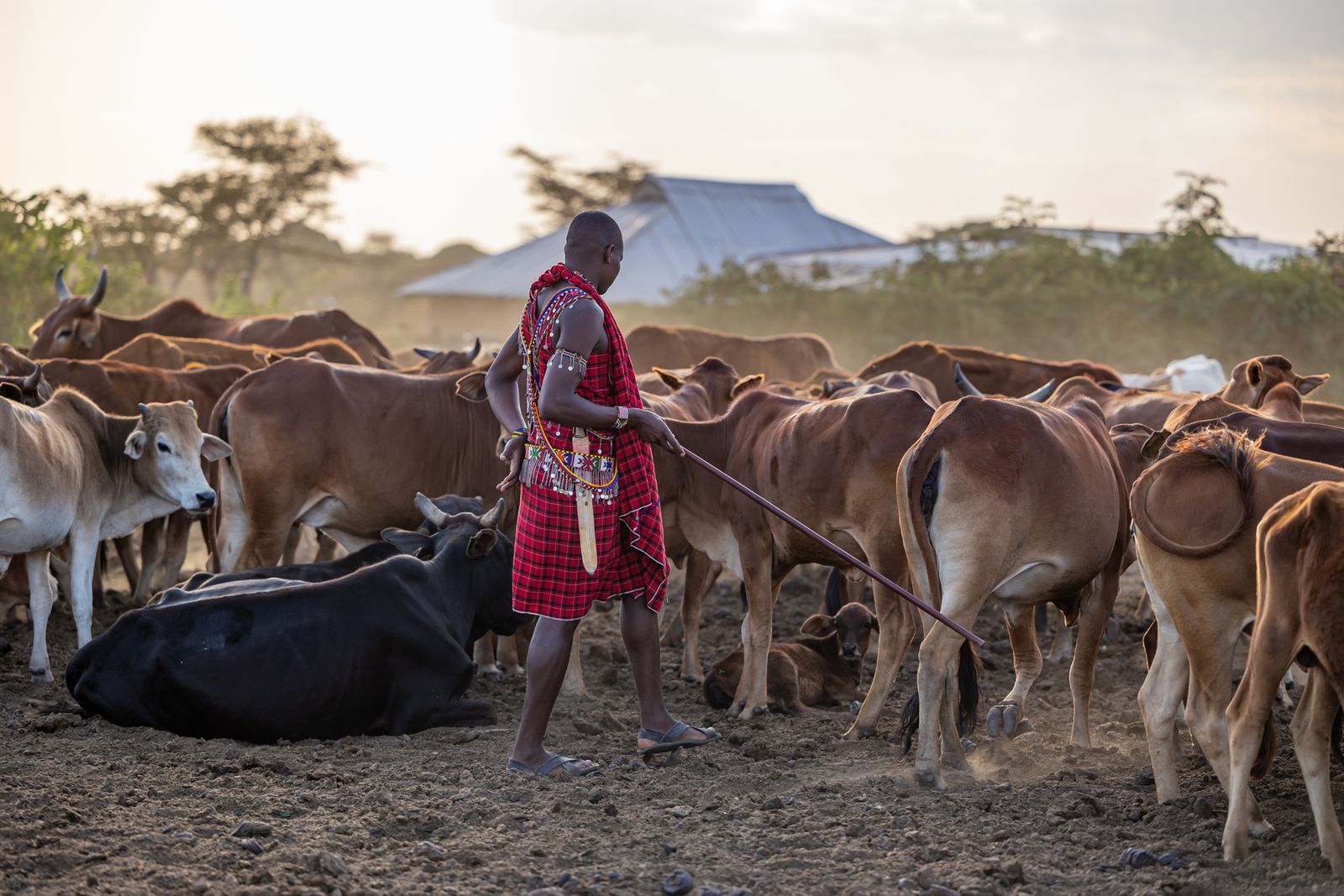
A herder in a red cloth walking among his cattle in the dusty gold light of late afternoon

Rural South Africa, in 360°

Meet a village before you visit it.

Look around, hear the stories from the people who live there, and book an afternoon with them. The people who share their village get paid for it.

80%
of every booking goes to the maker
360°
tours filmed by people who live there

Everything worth the trip is already there.

Beadwork, clay, dance, a pot of food shared on three stones. None of it is staged. It is how people live, and most of it has never been online.

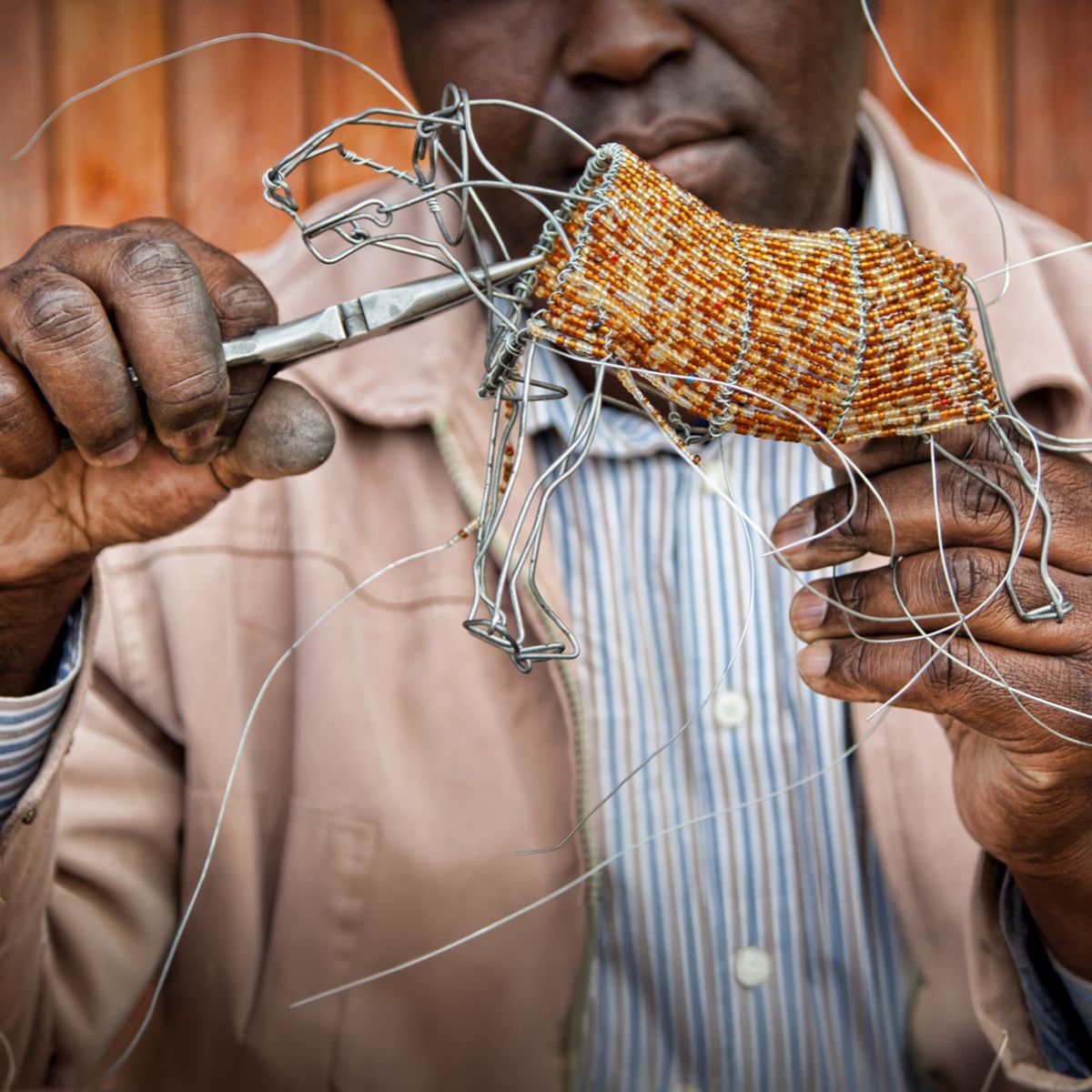
Weathered hands shaping a wire and bead sculpture with pliers
Wire and beads. Bent by hand, one loop at a time.
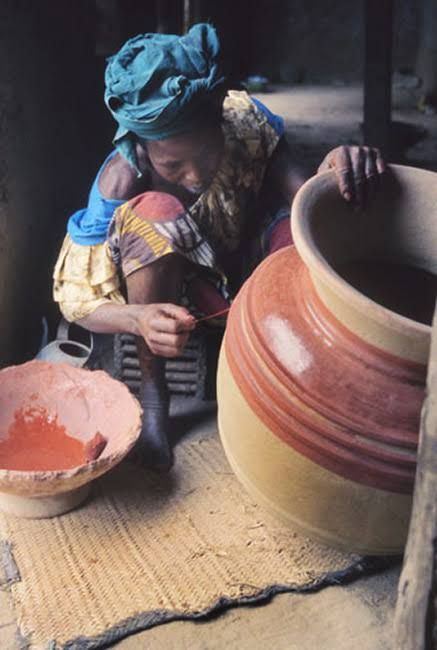
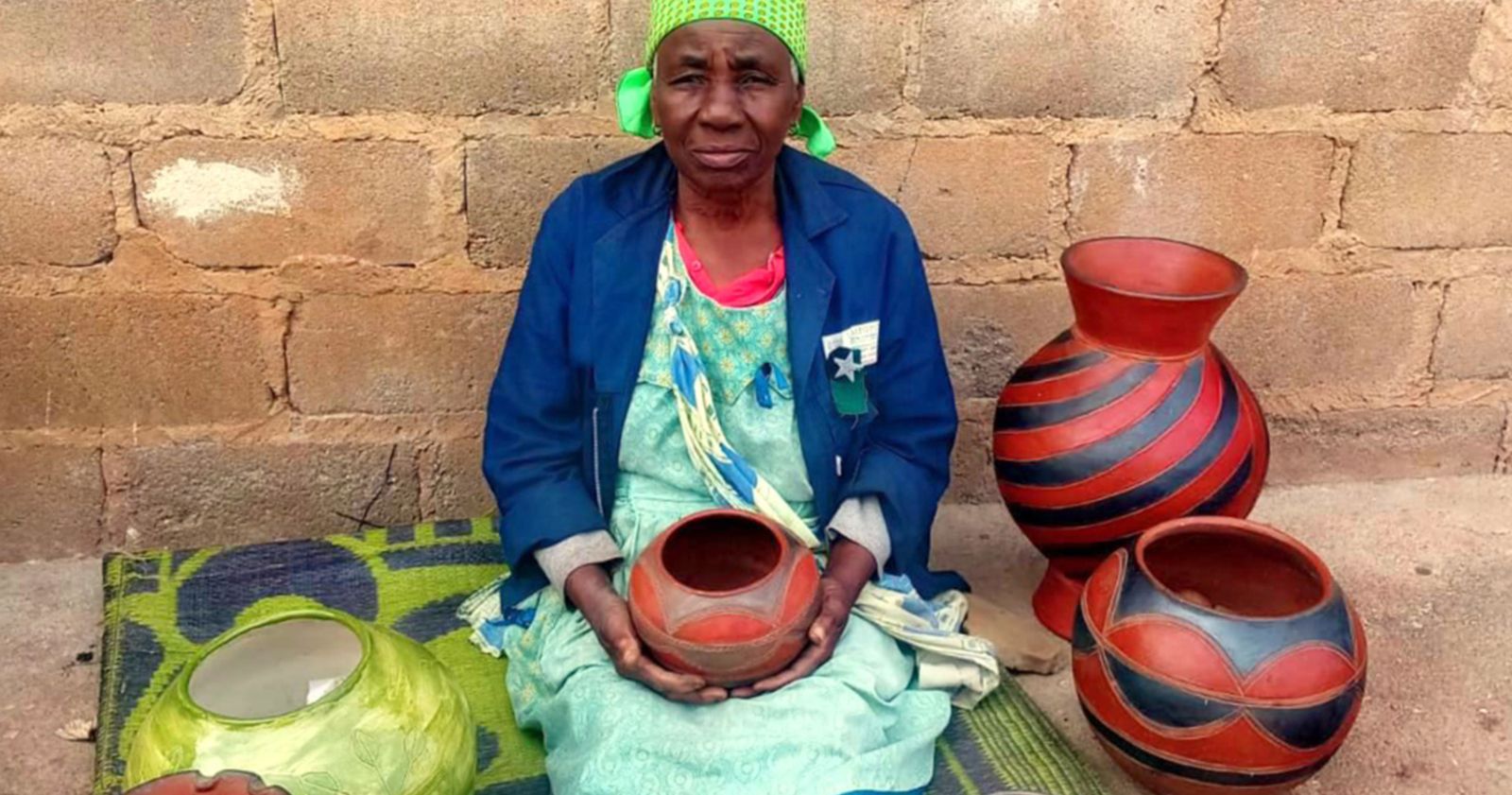
A woman in a blue jacket seated beside large clay pots painted red and black
Clay. Burnished, painted, fired. Months of work in every pot.
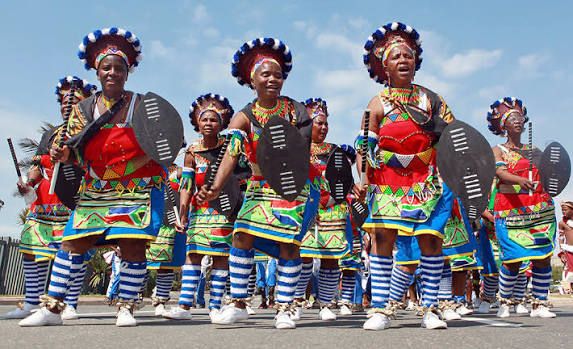
A troupe of dancers in beaded headdresses and bright skirts, holding shields, mid step on a street
Dance. Shields up, feet in time, the whole street watching.
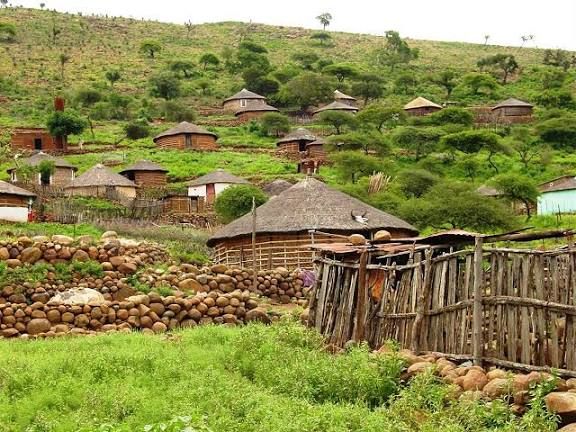
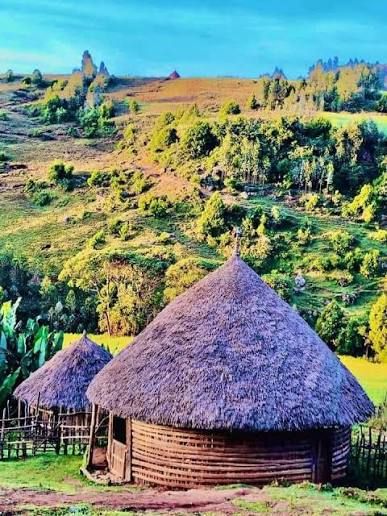
Two thatched round huts on a green hillside with rocky peaks behind
Home. Thatch, a hillside, and a view that goes on for days.
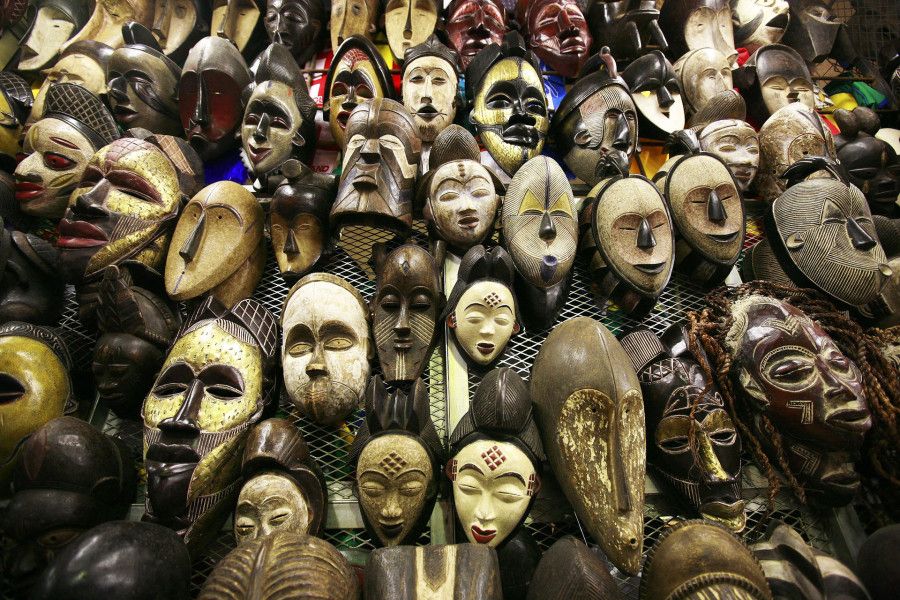
Dozens of carved wooden masks stacked together, each with a different face
Carving. A hundred masks and no two faces the same.
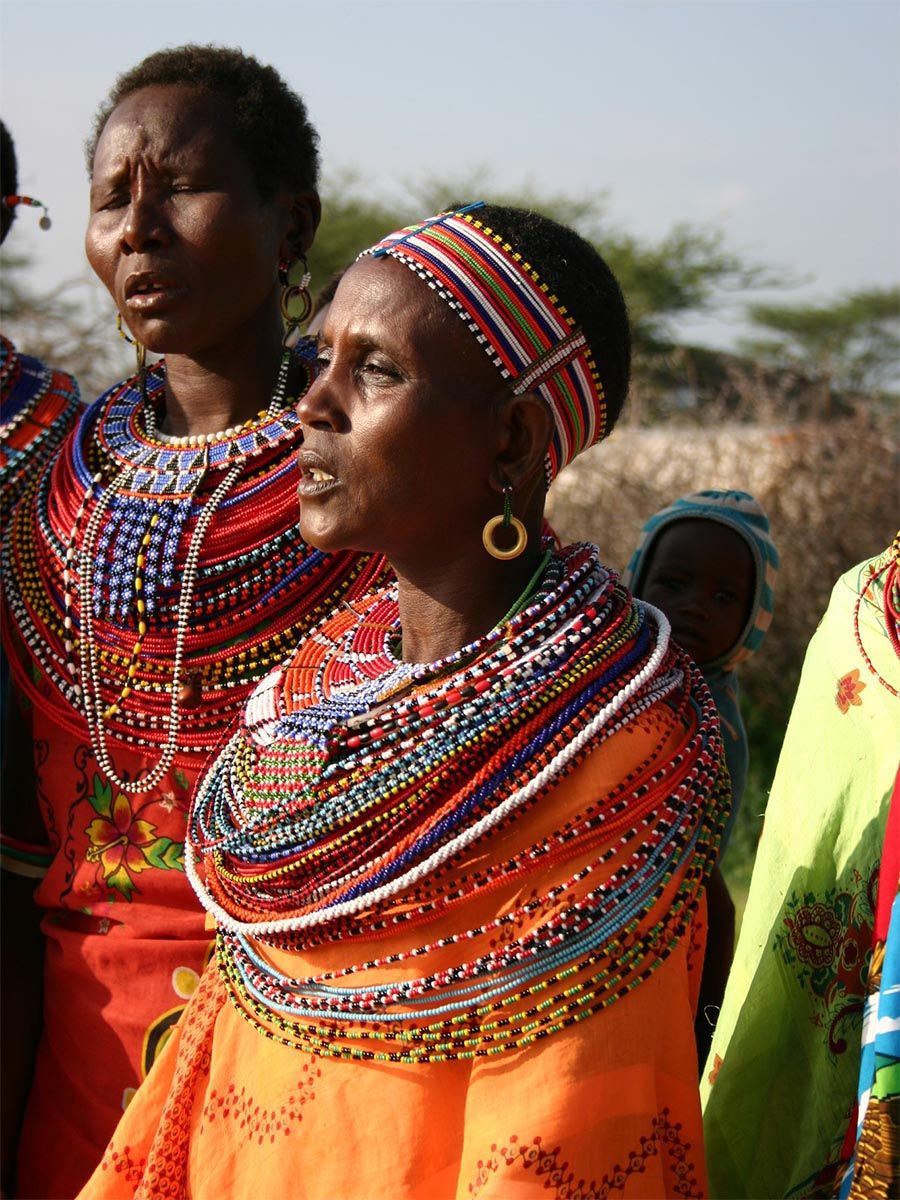
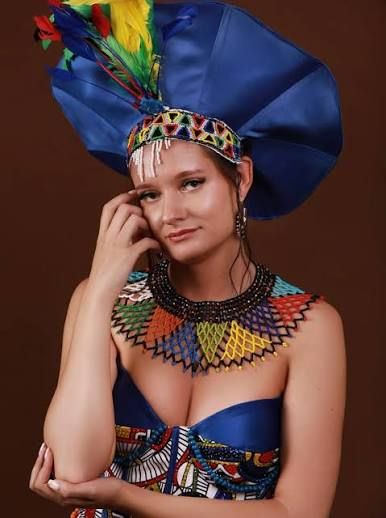
A woman wearing a wide blue headdress and a beaded collar in many colours
Dress. A beaded collar and a headdress made for a celebration.
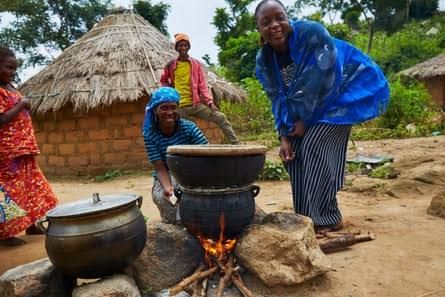
Women cooking in large iron pots over an open fire outside thatched houses
Food. Lunch for everyone, cooked outside on three stones.
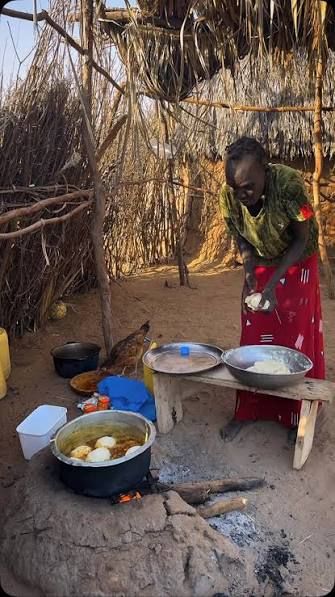
A woman cooking over a fire under a reed shelter, bowls laid out on a wooden bench
Kitchen. A reed roof, a slow fire, and whatever is in season.
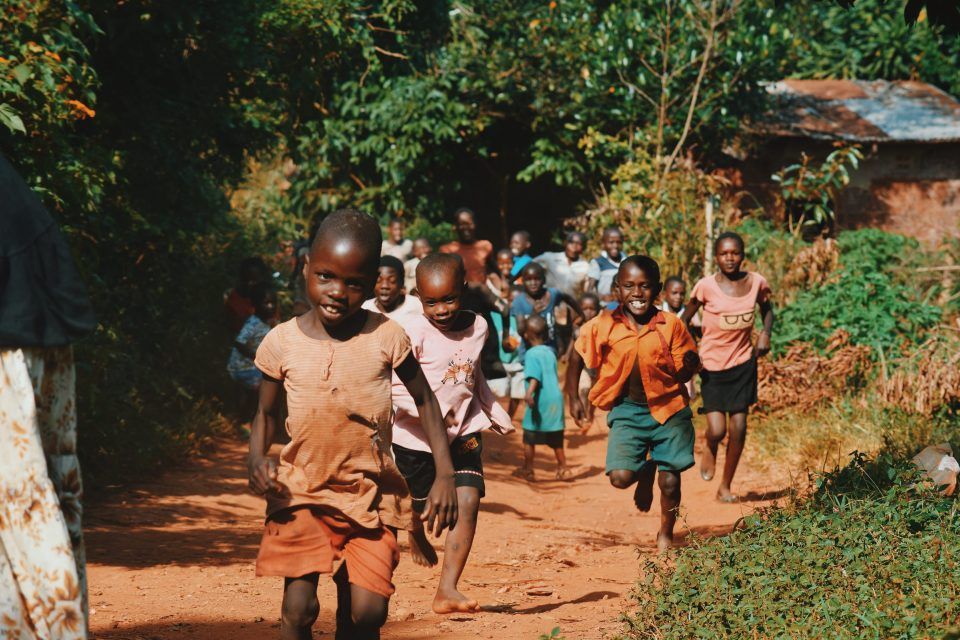
Children running down a red dirt path between trees, laughing
The next generation. They should not have to leave to make a living.

Why it matters

Tourism reaches the cities. It rarely reaches the villages.

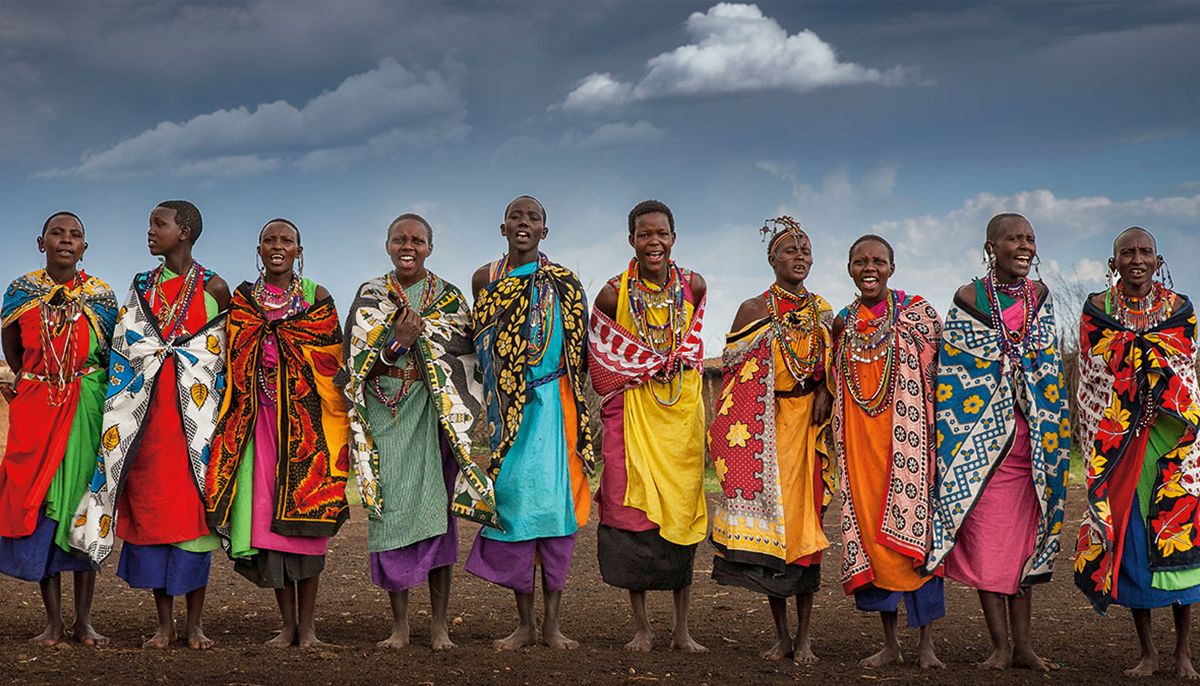
A long row of women in bright patterned shawls and beaded collars, standing shoulder to shoulder under a wide sky
2.7%

of rural households have internet at home.

But 71% of rural households get online on a phone, so UbuntuVerse is built for phones and weak signal first. If you can’t get online, you can’t sell to the world.

Stats SA, General Household Survey 2024.
The money stays in town.

Most tourism revenue goes to cities and big operators. The villages with the richest culture get weak roads, weak market access, and almost no place on the apps travellers use.

Ramukumba, 2020. Chiguvi, 2021.

The stories are fading.

When young people move to the city, the songs, crafts and know-how passed down for generations go with them, or go quiet. Once they are gone, no traveller will ever hear them.

World Travel & Tourism Council, 2023.

Why we started

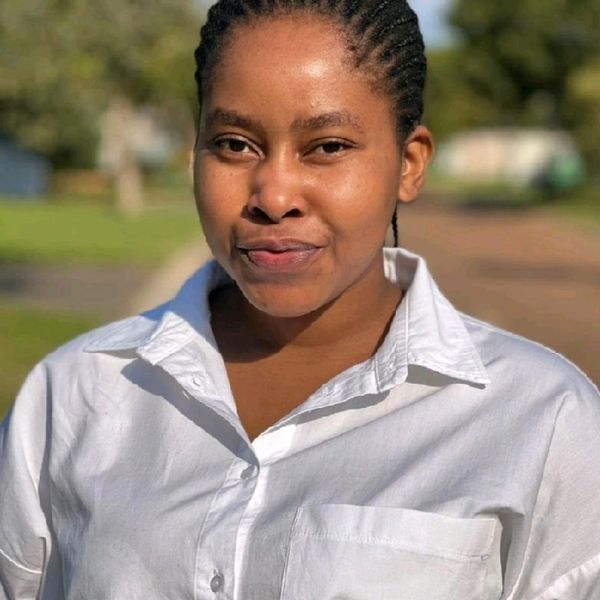
We kept thinking about Hope.

Hope is from Lusikisiki in the Eastern Cape. She studied tourism, graduated, and came home to no work. All around her are the things people cross the world to see, and no way to reach them.

We built UbuntuVerse for her, and for every young person who has the skills and the stories but not the market.

“I worked hard and earned my tourism degree, dreaming of a better future for myself and my family. But jobs are scarce, and I’m wondering if my dreams were all for nothing.”
HopeFrom the story we told at the G20 Hackathon
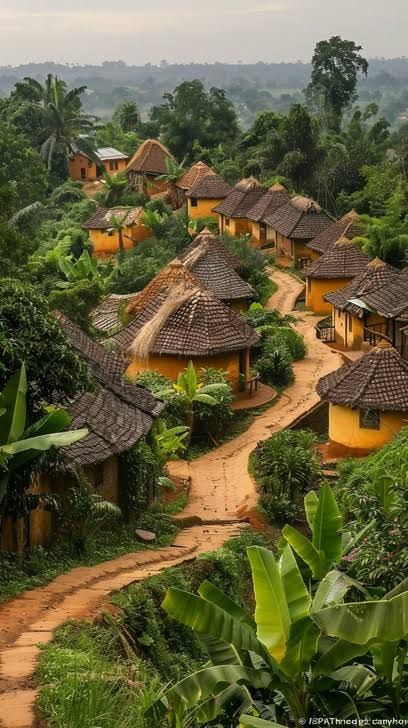
A winding red dirt path through a green village of round thatched houses and banana trees
Villages like hers are full of things to see. Almost none of them are online.

How it works

A way in for travellers. A way up for the village.

Ubuntu means “I am because we are.” UbuntuVerse works the same way: a traveller’s curiosity becomes a young person’s income.

Round thatched houses scattered across a green hillside, with stone walls and a wooden fence in front

Step 01

Look around

Walk a homestead, a craft circle or a heritage trail in 360°, from your phone, anywhere in the world.

Two women in layered beaded collars and red cloth, one singing

Step 02

Ask questions

A guide answers in your language, using only what the community has checked and said yes to.

A woman in a head wrap painting a large clay pot by hand

Step 03

Book and buy

Join a workshop live or in person, or buy a piece straight from the hands that made it.

Every booking pays the maker first.

80% goes to the person who hosts or makes it, 10% to a community fund, and 10% keeps the platform running. On a R180 workshop that is R144 to the maker, R18 to the fund and R18 to the platform, which also pays the card fees. Nothing goes live until the village says yes.

  • Maker
  • Community fund
  • Platform

Who we are

We’re Ubuntu Unlimited.

Seven students from six South African universities. We met at the G20 Hackathon, placed third, and kept going.

G20 HackathonThird prizeFor a tourism platform that brings rural culture to the world.
  • Hishaam Langson
    Hishaam LangsonNelson Mandela University
  • Thelma Makoma Rasekele
    Thelma Makoma RasekeleUniversity of South Africa
  • Skhanyiso Dlamini
    Skhanyiso DlaminiUniversity of Zululand
  • Ross Moors
    Ross MoorsEduvos
  • Mathapelo Ngubeni
    Mathapelo NgubeniCentral University of Technology
  • Keotshepile Modise
    Keotshepile ModiseSol Plaatje University
  • Vusi Matlou
    Vusi MatlouEduvos
  • Host, make, guide, or want to help us build it?

    Talk to us
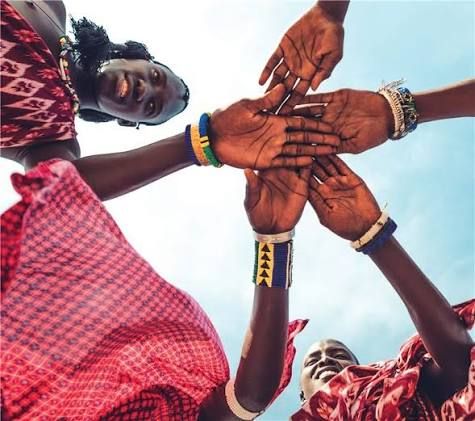
Several hands with beaded bracelets meeting in the middle against a blue sky

Ubuntu

I am because we are.

The first villages open soon. Leave your email and we will tell you when you can walk through one.